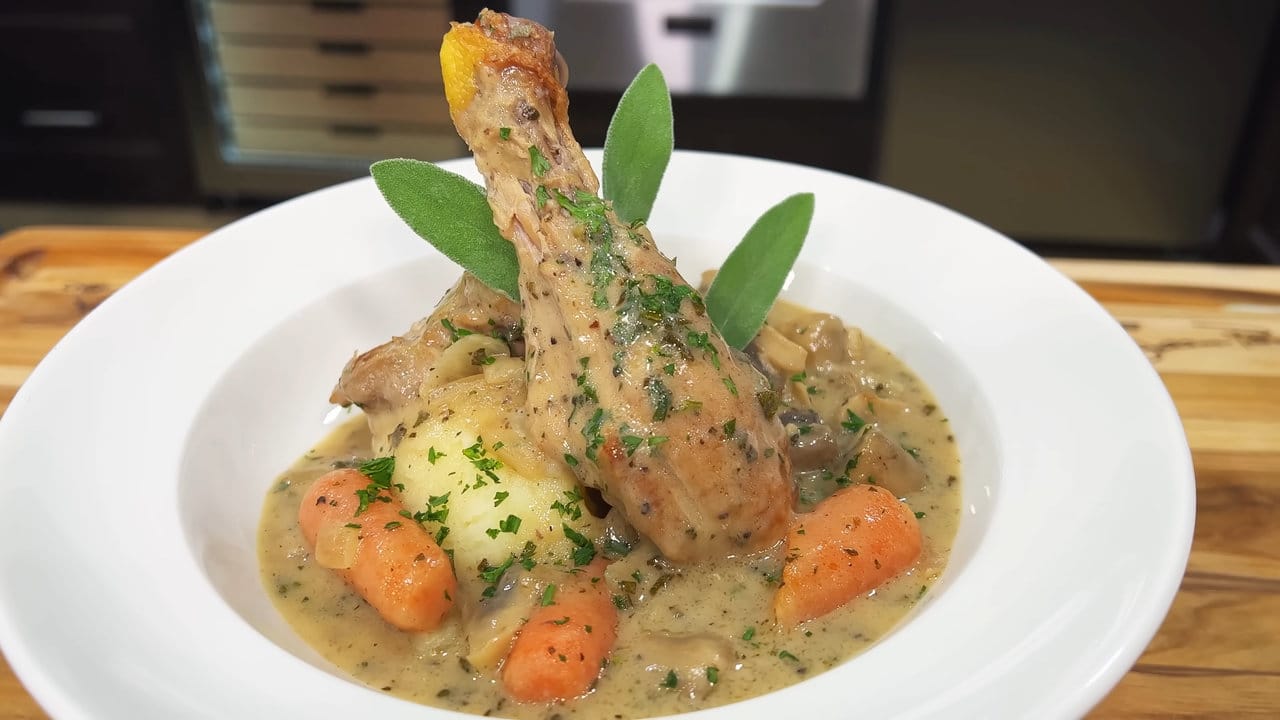
Embracing a French Classic: Traditional Chicken Fricassee with Creamy White Sauce
There are few dishes that evoke the heart of French comfort cooking quite like a perfectly executed chicken fricassee. This isn't just a meal; it's a culinary journey that delivers tender, golden-brown chicken enveloped in an irresistibly rich and creamy white sauce. Often overshadowed by its darker, richer cousins like Coq au Vin, traditional chicken fricassee stands out with its elegant, lighter hue and profound depth of flavor, proving that a stew doesn't need to be dark to be delicious.
At its core, chicken fricassee represents a quintessential rustic French approach to cooking meat: browning it beautifully before stewing it gently in a flavorful liquid. It's a method that ensures every bite is infused with savory goodness, creating a dish that feels both sophisticated and wonderfully approachable.
What Exactly is Chicken Fricassee? Unpacking a Culinary Term
The word "fricassee" itself sounds delightful to pronounce – "fri-ka-say." For many, the first introduction to this wonderfully fun term might have come from unexpected corners, even pop culture references that predate formal culinary education. Imagine a cartoon rabbit famously pondering the necessity of a hunting permit for a "rabbit fricassee." This playful introduction highlights that "fricassee" is not just a dish, but a generic culinary term referring to meat that has been stewed in a pan, typically after being *very well browned first*, and often with the addition of wine.
This technique is perfect for transforming cuts that might otherwise be tough into succulent, fall-off-the-bone morsels. While it's famously used for rabbit, it truly shines with chicken. What truly distinguishes a classic
Quick & Creamy Chicken Fricassee: A Faster French Stew from many other stews is its signature creamy white sauce. Unlike the deep, wine-red sauces often associated with stews, fricassee embraces a velvety, pale concoction, often enriched with mushrooms and fragrant aromatics. This results in a dish that, despite its richness, feels surprisingly light and bright.
The Art of the Creamy White Sauce: The True Star of the Dish
While the chicken is undoubtedly lovely – juicy, tender, and perfectly browned – ask any chef, and they'll likely tell you that the soul of this traditional French chicken fricassee lies squarely in its creamy white sauce. This isn't just any sauce; it's a meticulously crafted symphony of flavors that elevate the entire meal.
The foundation of this exquisite sauce begins with the residual fat and browned bits left in the pan after searing the chicken. This "fond" is pure flavor gold. To this, butter is often added, creating a rich base in which to sauté finely diced onions and earthy mushrooms until they are deeply fragrant and softened. The magic then continues with a dusting of flour, which absorbs the fat and creates a roux right in the pan. This flour acts as a crucial thickening agent, giving the sauce its luxurious body.
Next, a splash of dry white wine deglazes the pan, lifting all those caramelized flavors from the bottom and adding a bright, acidic counterpoint. Chicken broth is then gradually whisked in, followed by a generous pour of heavy cream. As the sauce gently simmers, it thickens to a perfect, velvety consistency, coating every piece of chicken and mushroom with its irresistible flavor. It's this beautiful balance of savory, creamy, and subtly tangy notes that makes the sauce utterly unforgettable.
Choosing Your Chicken: The Foundation of Flavor and Texture
For a truly authentic and satisfying chicken fricassee, the choice of chicken pieces is paramount. The traditional preference leans heavily towards
skin-on, bone-in chicken pieces, specifically thighs and drumsticks. There's a very good reason for this:
*
Flavor: The bones contribute immense flavor to the stewing liquid, enriching the overall taste of the sauce.
*
Juiciness: Bone-in cuts are far less prone to drying out during the simmering process. The bone acts as a heat conductor, allowing the meat to cook more evenly, while the skin helps retain moisture and develop a delicious, crispy texture when browned.
*
Texture: Thighs and drumsticks contain more connective tissue, which breaks down beautifully during the relatively short 30-minute simmer, resulting in incredibly tender, succulent meat.
When browning the chicken, ensure your skillet or pot is large enough to avoid overcrowding, allowing each piece to achieve a beautiful golden crust. Start with the skin side down for thighs, cooking until deeply golden and crispy, then flip for just a minute or two on the other side. For drumsticks, aim to sear multiple sides to get good coverage. This initial browning step is not just for color; it's crucial for developing deep, complex flavors that will infuse the entire dish.
While bone-in pieces are highly recommended for the best results, we understand that sometimes convenience or preference dictates otherwise. For those who prefer boneless cuts, such as chicken breast or boneless thighs, adaptations are possible, though care must be taken to prevent overcooking. For guidance on how to make a truly
Easy Midweek Chicken Fricassee: Comfort in Every Bite, even with boneless options, check out our dedicated recipe for adjusted cooking times and techniques.
Step-by-Step Culinary Journey: Crafting Your Fricassee
Making chicken fricassee is a wonderfully rewarding experience, and it's surprisingly accessible for home cooks. Here's a quick overview of the essential steps:
1.
Season and Brown the Chicken: Pat your chicken pieces dry, season generously with salt and pepper. In a large, heavy-bottomed pot or Dutch oven, melt butter over medium-high heat. Brown the chicken in batches, ensuring a beautiful golden-brown crust on all sides. Remove the chicken to a plate and set aside. The browned bits and butter left in the pan are your flavor gold.
2.
Sauté Aromatics and Mushrooms: In the same pan, add a little more butter if needed, then sauté sliced onions and mushrooms. Cook them until they're softened and have released their moisture, developing deep, savory notes.
3.
Build the Sauce: Sprinkle flour over the vegetables and stir well, cooking for a minute or two to create a roux and cook out the raw flour taste. Pour in dry white wine to deglaze the pan, scraping up all the delicious fond. Add chicken broth, stirring constantly until the sauce begins to thicken. Finally, stir in heavy cream.
4.
Simmer to Perfection: Return the browned chicken pieces to the pot, nestling them into the creamy sauce. Bring the mixture to a gentle simmer, then reduce the heat to low, cover the pot, and let it cook for about 30 minutes, or until the chicken is cooked through and fork-tender. This relatively quick simmering time is what makes fricassee a fantastic option for a weeknight meal, offering all the comfort of a slow-cooked stew without the long wait.
5.
Finishing Touches: Taste and adjust seasonings. A sprinkle of fresh parsley or chives at the end adds a touch of freshness and color.
Serving Suggestions and Variations
Traditional chicken fricassee is a versatile dish that pairs beautifully with a variety of accompaniments. Classic choices include creamy mashed potatoes, fluffy white rice, or even simple buttered noodles, all perfect for soaking up every last drop of that incredible sauce. A side of blanched green beans, asparagus, or a fresh green salad provides a welcome contrast and brightness to the rich meal. And of course, a crusty baguette is always a good idea for sweeping the plate clean!
While the traditional recipe is divine, don't hesitate to play around with the ingredients to suit your taste. Chef John himself encourages experimentation! Consider adding other vegetables like carrots or leeks along with the onions and mushrooms. A splash of brandy during the deglazing step can add another layer of complexity. Different herbs like thyme or tarragon can also bring unique aromatic notes. The beauty of fricassee lies in its adaptability, allowing you to make it truly your own.
Conclusion: A Timeless Classic for Today's Table
Traditional French chicken fricassee with its creamy white sauce is more than just a recipe; it's a testament to the enduring appeal of classic French cooking. It offers a sophisticated yet comforting experience, proving that elegance doesn't always require hours in the kitchen. From its delightfully pronounceable name to its deeply satisfying flavor profile, this dish is a culinary journey worth taking. Whether you're a seasoned home cook or just beginning to explore French cuisine, mastering this chicken fricassee will undoubtedly earn you rave reviews and bring a taste of France to your very own table. So, gather your ingredients, embrace the spirit of French cooking, and prepare to fall in love with this timeless classic.